The Complete Guide to Catholic Relics: 1st, 2nd, and 3rd Class Explained

Catholic relics have been venerated since the very earliest days of Christianity, since the apostles themselves walked the earth. Yet for many modern Catholics, relics remain mysterious. What exactly are they? What do the different classes mean? And how do you know if a relic is authentic?
This comprehensive guide explains everything you need to know about 1st, 2nd, and 3rd class Catholic relics, their theological foundation, and how to incorporate relic devotion into your spiritual life.
What Are Catholic Relics?
In short: A relic is a physical object connected to a saint, their body (1st class), clothing or possessions (2nd class), or an object touched to a relic (3rd class). Catholics venerate relics to honor saints and seek their intercession, a practice rooted in Scripture since the time of the apostles.
A relic is a physical object that has a direct connection to a saint or holy person. The word comes from the Latin reliquiae, meaning "remains." The practice of venerating relics is deeply rooted in Scripture and has been part of Christian worship for over 2,000 years.
In Acts 19:11-12, we read: "God did extraordinary miracles through Paul, so that even handkerchiefs and aprons that had touched him were taken to the sick, and their illnesses were cured." This is perhaps the earliest biblical precedent for the veneration of objects connected to holy people.
Similarly, in 2 Kings 13:21, a dead man was restored to life when his body touched the bones of the prophet Elisha. The veneration of relics isn't a medieval invention, it's woven into the fabric of salvation history.
An Important Distinction: Veneration vs. Worship
Catholics do not worship relics. We venerate them, meaning we honor the memory of the saint and ask for their intercession (prayers to God on our behalf). The relic is a tangible connection to a holy person now in heaven. The power comes from God alone; the relic is simply a point of contact for our faith.

The Three Classes of Catholic Relics
1st Class Relics
A 1st class relic is a physical part of a saint's body, bone fragments, blood, hair, or preserved tissue. These are the most significant and revered relics in Catholic tradition.
Famous examples include:
- The bones of Saint Peter beneath the high altar of St. Peter's Basilica in Rome
- The blood of Saint Januarius in Naples, which reportedly liquefies three times a year
- The incorrupt body of Saint Bernadette in Lourdes, France
- The Shroud of Turin, believed by many to be the burial cloth of Christ
First class relics are typically kept in churches, basilicas, and monasteries. They are rarely available for private ownership, and the Church has strict regulations governing their custody and display.
2nd Class Relics (Ex Indumentis)
A 2nd class relic called "ex indumentis" from the Latin meaning "from the clothing" is an object that was owned by, worn by, or used by a saint. This includes:
- Fragments of clothing or religious habits
- Personal possessions, books, rosaries, writing instruments
- Instruments of penance, hair shirts, discipline cords
- Items used in their ministry. Mass vestments, stoles, chalice cloths
These are the most common type of relic available to the faithful. At Catholically, our relic medals contain authenticated 2nd class relics, small fabric fragments embedded in the medal from saints like Padre Pio and Saint John Paul II.

3rd Class Relics
A 3rd class relic is any object that has been touched to a 1st or 2nd class relic. This is the most accessible form of relic and the easiest to obtain. Many prayer cards, rosaries, and medals become 3rd class relics when they are touched to the relics of saints at their shrines.
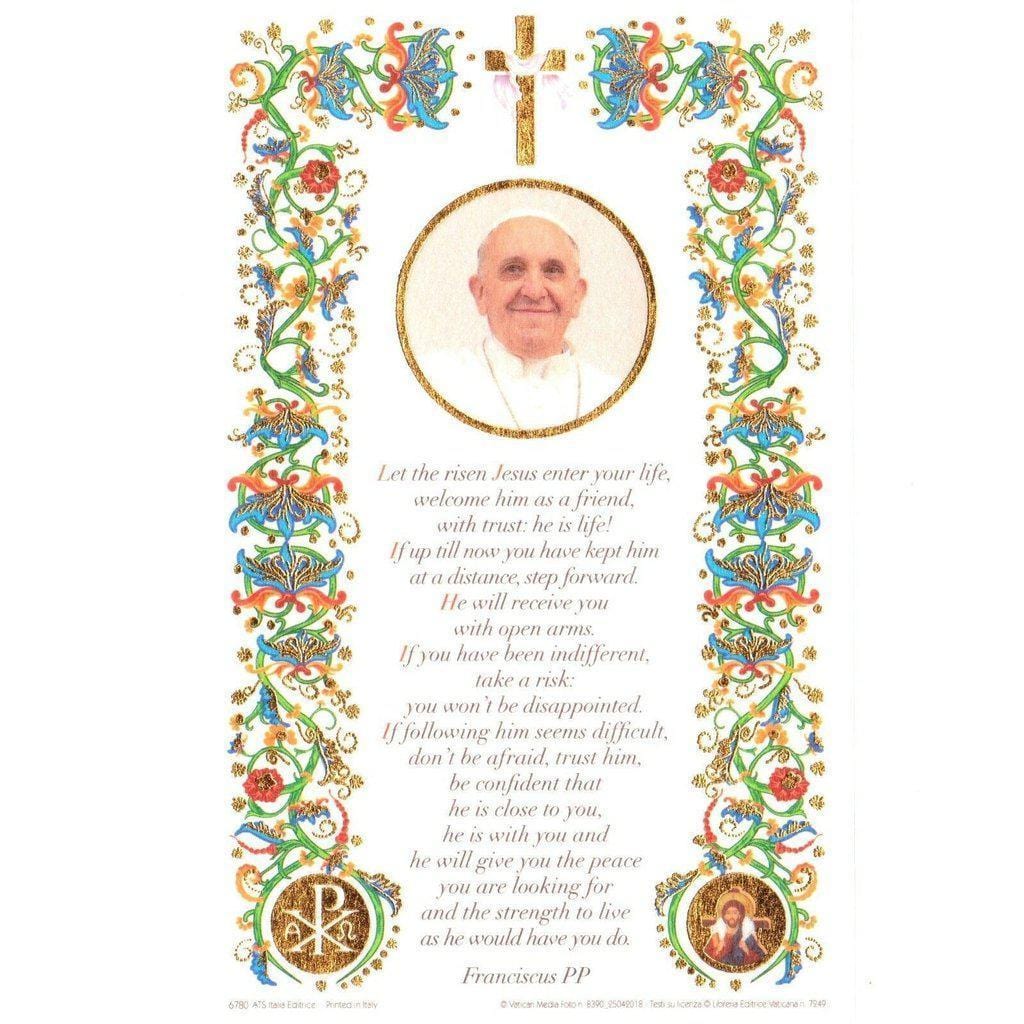
At Catholically, many of our items are touched to the shrines of saints during our visits to churches and basilicas in Rome, making them 3rd class relics in addition to being blessed by the Pope.
How the Church Authenticates Relics
The Catholic Church takes relic authentication very seriously. The process involves:
- Chain of custody, documentation tracing the relic from its origin to its current holder
- Episcopal verification, a bishop or ecclesiastical authority certifies the relic's authenticity
- Sealed documentation, authentic relics come with a authentica (certificate) sealed with the bishop's or postulator's official seal
- Proper encasement, relics are typically sealed in a theca (small round case) with red thread and wax seal
At Catholically, our relics are sourced directly from Rome through established Catholic channels with proper ecclesiastical documentation. Every relic item comes with authentication information.

How to Venerate Relics at Home
If you have a relic medal or relic item, here's how to incorporate it into your devotional life:
- Place it on your home altar, near an icon or image of the corresponding saint
- Pray to the saint for intercession, hold the relic while praying a novena or specific prayer to that saint
- Carry it with you, many people keep a relic medal in their pocket or wear it on a chain
- Touch it to those who are ill, ask the saint to intercede for healing (this is the same practice described in Acts 19)
- Treat it with reverence, never dispose of a relic in regular trash. If you no longer want it, give it to another Catholic or return it to a church
Patron Saints and Their Relics
Relic devotion is most meaningful when connected to a patron saint who intercedes for your specific needs:
- Saint Padre Pio (healing, suffering), our Padre Pio relic collection includes ex indumentis medals and rosaries
- Saint John Paul II (families, young people), relic rosaries with fragments from his papal vestments
- Saint Rita of Cascia (impossible cases), vintage relic holy cards
- Saint Francis of Assisi (animals, ecology, peace), Tau cross relics

Browse All Catholic Relics →
Frequently Asked Questions
Continue Reading
- Patron Saints: A Complete Guide to Finding Your Patron Saint
- What Does It Mean When a Rosary Is Blessed by the Pope?
- How to Set Up a Catholic Home Altar: A Step-by-Step Guide